
Stocks & Investing Basics
What Is the PEG Ratio and How Does It Work?
Learn how the PEG ratio balances P/E multiples with earnings growth. Read the full guide.

The StockEmber Team is our in-house desk of independent research writers. We test brokerage platforms, read the fine print on fees and custody, and cover ETFs and long-horizon investing for people who plan to hold for decades — not days.
Learn how the PEG ratio balances P/E multiples with earnings growth. Read the full guide.

Understand how UCITS ETFs protect investor capital, improve tax efficiency, and support long-term compounding. Read the full guide.

Learn what a stock split is, how share ratios work, and why companies split shares. Read the full guide.

Understand how mutual funds pool capital, calculate daily NAV, and impact long-term fees. Read the full guide.

Understand the differences between ETFs and index funds to choose the right strategy. Read the full guide.

Learn what a blue-chip stock is, its core characteristics, and how to invest in market leaders. Read the full guide.

Learn what the price-to-earnings (P/E) ratio is, how to calculate it, and why low P/E value traps matter. Read the full guide.

Learn how dividend ETFs pool stocks to distribute income, and evaluate their 10-year total return costs. Read the full guide.

Learn how to buy stocks step by step, from opening a brokerage account to choosing market vs. limit orders. Read our guide.

Learn what a balance sheet reveals about assets, debt, and corporate financial health. Read the full guide.

Understand how bond ETFs basket fixed-income securities to balance your portfolio. Read the full guide.

Learn the structural, tax, and trading differences between ETFs and mutual funds for your portfolio. Read the full guide.

Understand net asset value (NAV) in a mutual fund, how daily calculation works, and how costs impact your 10-year return. Read the full guide.

Learn what index investing is and how tracking market benchmarks minimizes 10-year costs. Read the full guide.

Understand how the CRSP US Total Market Index works, its weighting rules, and key risks. Read the full guide.

Understand tracking error, how it differs from tracking difference, and why fund replication matters. Read the full guide.

Learn what market cap is, how market capitalization is calculated, market cap tiers, and enterprise value. Read the full guide.

Learn what Return on Equity (ROE) is, how to calculate it, and why debt distorts it. Read the full guide.

Learn what the S&P 500 is, how market-cap weighting works, and how to invest via ETFs. Read the full guide.

Understand what AUM in an ETF means and how size impacts trading fees and closure risk. Read the full guide.

Learn what gross margin reveals about pricing power and corporate efficiency. Read the full guide.

Learn the structural difference between active mutual funds and passive index funds to protect your returns from fees. Read the full guide.

Understand how the FTSE All-World Index works and how it powers global stock diversification. Read the full guide.

Learn what an index fund is, how passive benchmark tracking works, and why low fees build wealth. Read the full guide.

Understand what book value per share (BVPS) means for net assets and long-term equity evaluation. Read the full guide.

Learn how the secondary market functions, how trading works, and why liquidity matters for investors. Read the full guide.

Learn how to invest in stocks with a long-term lens, covering valuation metrics and low-cost execution. Read the full guide.
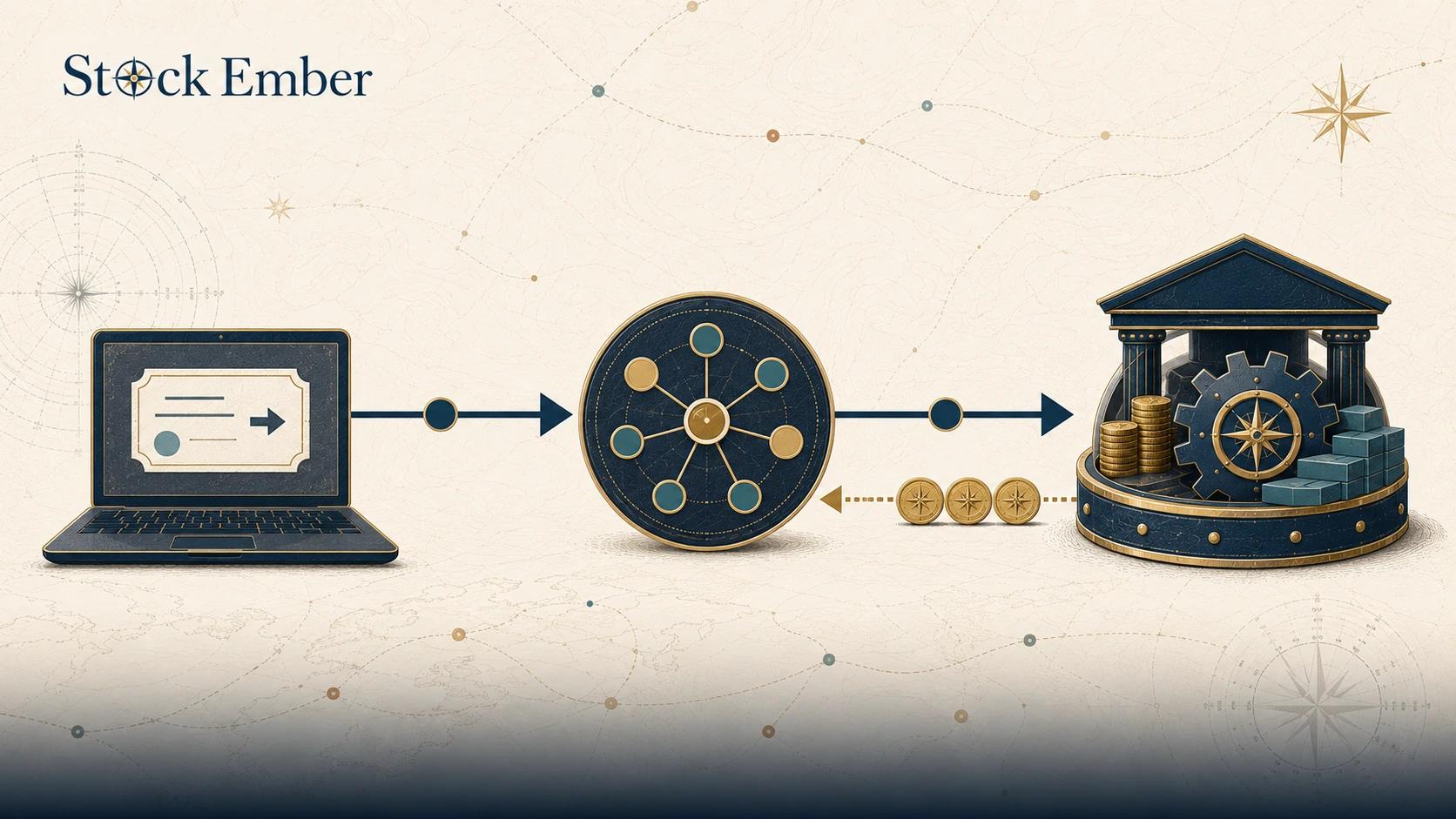
Learn what payment for order flow is and how brokers earn back-end rebates on trades. Read the full guide.

Understand what a total expense ratio (TER) is and how fund fees drag down 10-year returns. Read the full guide.

Understand what a platform fee is and how custody costs shape your 10-year compounding growth. Read the full guide.

Learn how a UK ISA account works, annual £20,000 allowance rules, tax benefits, and fee drag. Read the full guide.

Learn how a UK SIPP works, HMRC tax relief rules, 2026 contribution caps, and withdrawal age limits. Read the full guide.

Understand the cost of investing and how hidden fees compound over 10 years. Read the full guide.

Understand what is bid ask spread and how this hidden fee impacts your long-term ETF portfolio. Read the full guide.

Learn how a Custodial Roth IRA works, IRS earned income requirements, multi-decade compounding, and FAFSA impacts. Read the full guide.

Understand what a currency conversion fee is and how exchange markups drag down long-term returns. Read the full guide.

Understand what an expense ratio is and how ongoing fund fees drag down 10-year compound returns. Read the full guide.

Learn what a good expense ratio is for funds and ETFs to minimize fee drag over 10 years. Read the full guide.

Understand how mutual fund fees work and see their 10-year impact on your wealth. Read the full guide.

Understand SIMPLE IRA rules, contribution limits, and employer matching requirements. Read the full guide.

Understand how Form W-8BEN cuts US dividend tax withholding from 30% to 15% for foreign investors. Read the full guide.

Understand how a taxable brokerage account works, how tax drag affects growth, and smart strategies. Read the full guide.

Understand how capital loss carryover offsets future gains and reduces long-term tax drag. Read the full guide.

Understand how your 1099-b form impacts taxes, cost basis, and long-term capital gains. Read the full guide.

Understand how a Roth conversion ladder creates penalty-free early retirement income. Read the full guide.

Understand margin accounts vs cash accounts, trade settlement rules, and borrowing costs. Read the full guide.

Understand how CUSIP number identifiers track stocks, bonds, and ETFs across clearing networks. Read the full guide.

Learn the differences between a Roth IRA vs. Traditional IRA to optimize your retirement taxes. Read the full guide.

Learn how a Backdoor Roth IRA allows high earners to access tax-free growth. Explore conversion steps and pro-rata rules. Read the full guide.

Understand what a Traditional IRA is, how pre-tax growth works, IRS rules, and tax timing. Read the full guide.

Compare a Roth IRA vs. 401(k) to learn contribution limits, tax differences, and optimal funding order. Read the full guide.

Understand what a Roth IRA is, how tax-free growth works, IRS rules, and how it fits your portfolio. Read the full guide.

Learn how different types of brokerage accounts clear, fund, and tax your investments. Read the full guide.

Learn what is a stockbroker, how platforms route trades, and how fees impact your wealth. Read the full guide.

Learn what does a broker do to route your trades and how hidden fees impact your portfolio. Read the full guide.

Learn how a custodial account works, its legal limits, and how it builds long-term wealth. Read the full guide.

Learn how financial brokers connect retail investors to public stock exchanges and how hidden frictions impact long-term returns. Read the full guide.

Understand what a brokerage account is, how its custody structure works, and how to avoid fee friction. Read the full guide.

Learn how compound interest generates exponential growth and why keeping fees low protects your long-term returns. Read the full guide.
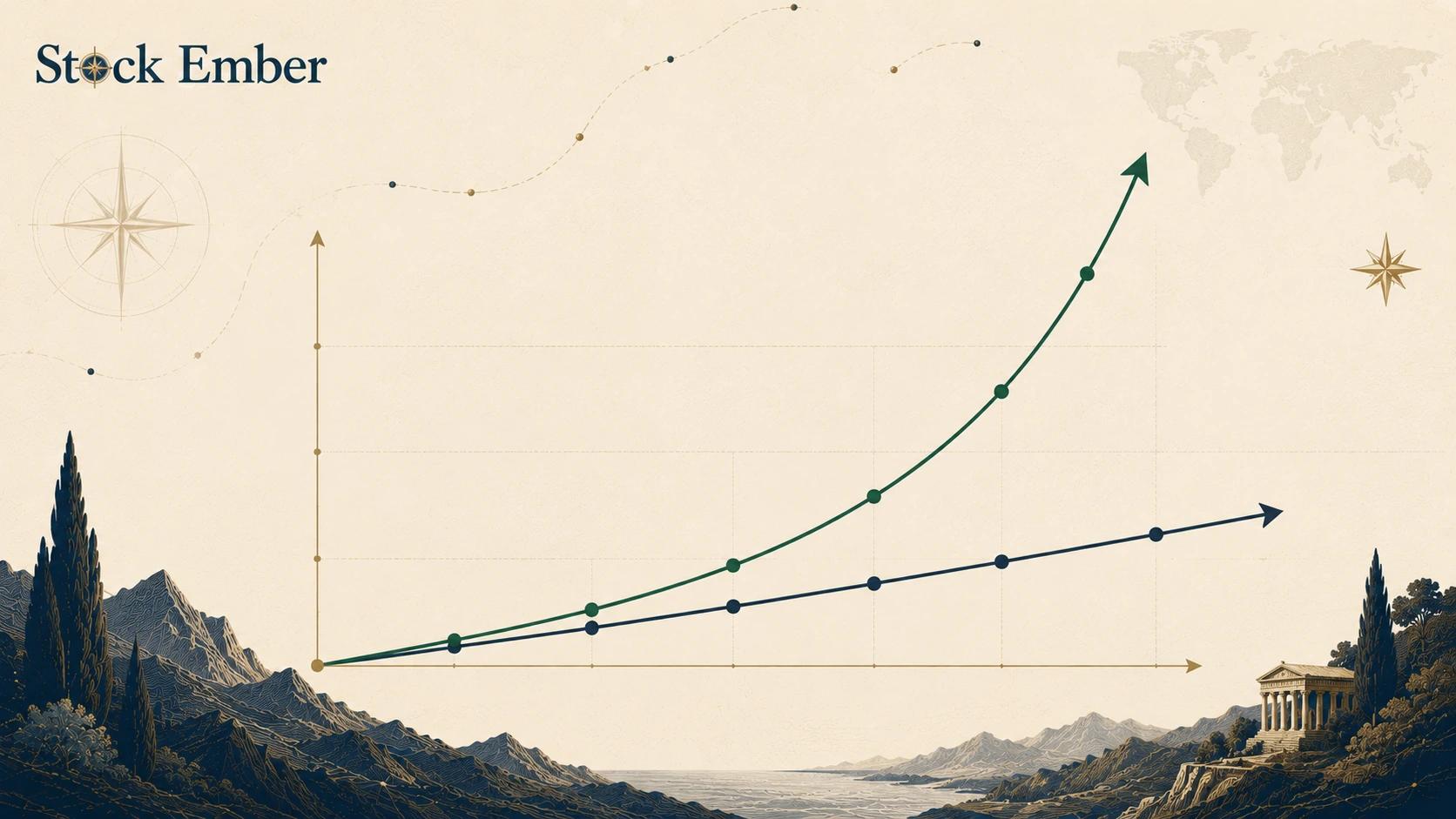
Understand the difference between simple and compound interest, and how market volatility impacts your long-term return curve. Read the full guide.

Understand dividend per share (DPS), how to calculate it accurately, and how to avoid critical yield traps. Read the full guide.

Understand how qualified dividends unlock lower tax rates and protect your long-term compound returns. Read the full guide.

Understand how corporate dividend distributions function, their impact on stock price, and the risks of yield-chasing. Read the full guide.

Understand how ordinary and qualified dividends are taxed differently and how to minimize portfolio tax drag. Read the full guide.

Understand the strict rules, long-term trade-offs, and 10-year compounding fee realities of Dividend Aristocrats. Read the full guide.

Understand how dividends work, from the critical ex-dividend date timeline to the reality of share price adjustments. Read the full guide.

Understand how the dividend growth model uses future cash flows to estimate stock value today. Read the full guide.

Understand how a dividend reinvestment plan (DRIP) automatically converts payouts into fractional equity blocks. Read the full guide.

Understand the ex-dividend date, how stock prices adjust, and how to avoid common investor timing traps. Read the full guide.

Learn how the dividend payout ratio measures dividend safety and corporate sustainability. Read the full guide.

Understand what a dividend yield is, how market prices distort it, and how to spot structural dividend traps. Read the full guide.

Learn what dividends mean for long-term total returns, how distributions work, and how to avoid high-yield traps. Read the full guide.

Learn how ETFs work, compare vehicle structures, and map out a long-term, low-cost asset strategy. Read the full guide.
Zero commission. Fractional shares. Automated Pies. Trading 212 Invest is genuinely well-suited for passive ETF investors — but the revenue model, the absence of a SIPP, and the non-wrapper default are all worth understanding before you commit.

Automated monthly ETF purchases — commission-free, on a date you choose — remove the two biggest obstacles to consistent investing: friction and the temptation to time the market. Here is how they work and which brokers do them properly.

The default US withholding rate on dividends for non-US investors is 30%. Filing a W-8BEN reduces that to 15% for most UK and EU residents. The form takes five minutes. The benefit compounds for the life of your account.
£1 per month. About 80 funds. No trading commissions on funds. Dodl is AJ Bell's deliberately simple ISA product — and for passive investors above £15,000, the fee arithmetic is hard to argue with.
A 0.25% platform fee feels trivial. At £200,000, it is £500 per year — every year, forever. Here is how to calculate the crossover point and which platform structure wins at your portfolio size.
IBKR routes European clients through its Ireland and Central Europe entities — giving access to UCITS ETFs, 16-currency accounts, and execution quality most European-only brokers cannot match. Here is what that means in practice.
Most investors focus on returns. The professionals obsess over fees. Here is why a single percentage point can mean the difference between comfort and compromise after thirty years.
Most investors believe their broker owns their shares. Legally, that is almost never true. We explain the custody chain, nominee structures, and the protections every investor should verify.