An Assets Under Management (AUM) fee is a recurring advisory charge calculated as an annual percentage of a client's total portfolio balance. Financial advisors typically deduct these fees directly from account cash balances on a quarterly basis, with industry averages hovering near 1.00% annually for portfolios under $1 million.
An Assets Under Management fee, or AUM fee, is a charge levied by financial advisors and wealth managers expressed as an annual percentage of the client portfolio they manage.
A 1% annual fee sounds insignificant when market returns are healthy, but ongoing asset-based charges directly reduce the capital available to compound over time. Understanding how these fees are calculated, what average rates look like, and how they compound helps buy-and-hold investors keep more of their wealth.
Quick Takeaways
01An AUM fee is an annual advisory charge calculated as a fixed percentage of your total managed assets.
02The industry benchmark for accounts under $1 million averages roughly 1.00% annually, scaling down for larger account balances.
03Fees are typically deducted directly from your account cash balance on a quarterly basis.
04Advisory charges are separate from product-level costs like expense ratios or sales loads.
What Is an AUM Fee?
An Assets Under Management fee is an ongoing charge paid to a professional advisor or asset manager for managing your portfolio. When asking what is an AUM fee, the essential point is that the charge scales directly with your wealth. If your balance rises, the dollar amount you pay increases; if your account value drops, your fee in dollars decreases accordingly.
Evaluating assets under management fee is a fundamental part of understanding the cost of investing. Wealth managers charge an AUM fee meaning they take responsibility for asset allocation, portfolio rebalancing, and financial planning in exchange for a slice of your overall wealth each year.
How AUM Fees Are Calculated
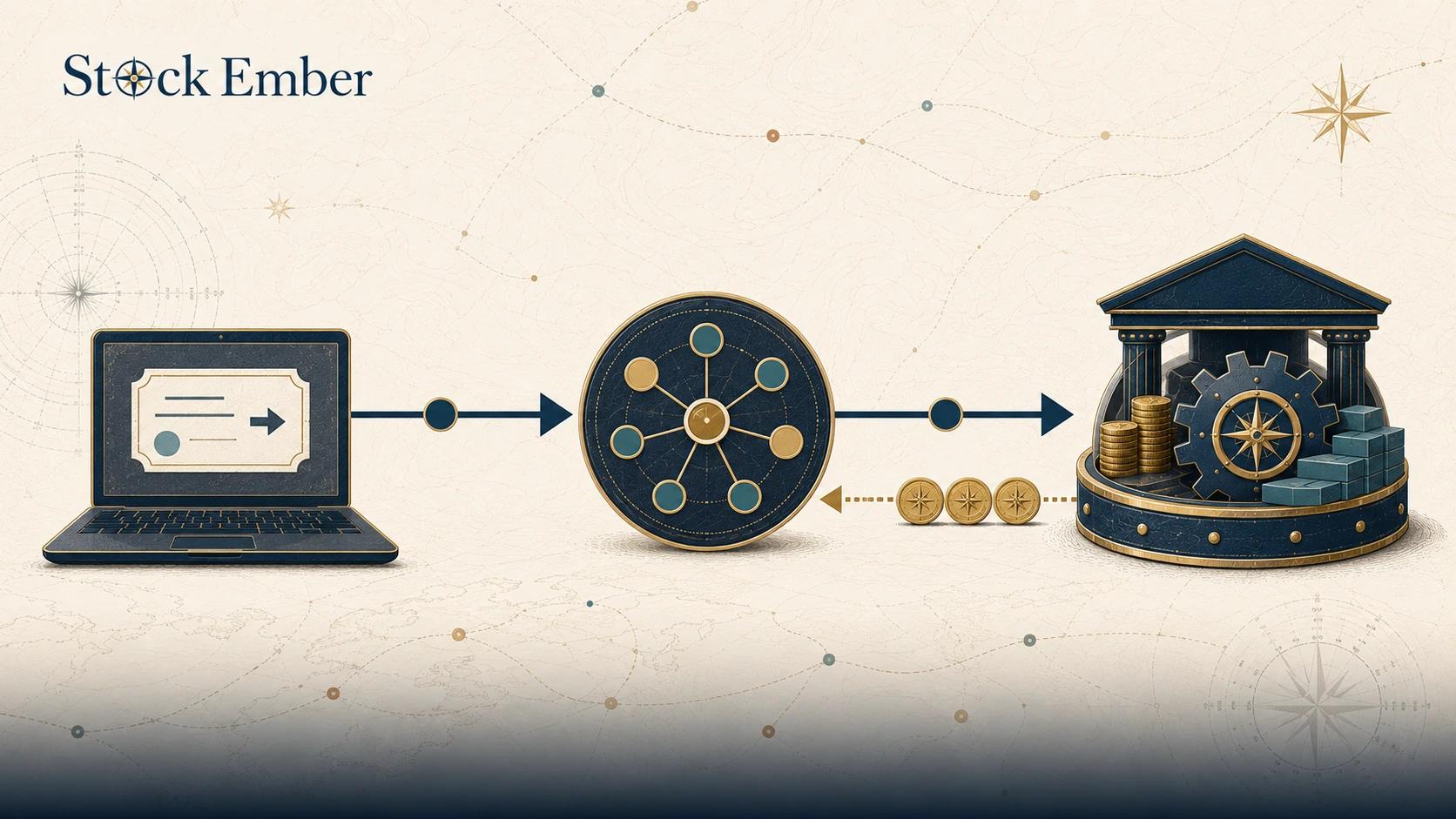
Advisors calculate these fees on an annual basis but deduct them directly from your portfolio in quarterly installments. To calculate the quarterly fee deduction, the advisor divides the annual percentage rate by four and multiplies it by your account balance at the end of the quarter or the average daily balance across those three months.
For example, if you hold $200,000 in an account with a 1.00% annual advisory fee, your annual advisory cost is $2,000. Each quarter, the firm automatically deducts roughly $500 from your cash reserve balance.
Average AUM Fee Rates and Tiered Schedules
According to industry advisory-fee benchmarking surveys, the average AUM fee for individual investors typically hovers around 1.00% for portfolios between $100,000 and $1,000,000. Most advisory firms use a tiered fee structure, meaning the fee percentage decreases as your total managed assets cross specific breakpoint thresholds.
Total Managed Assets
Average Annual Fee Rate
Under $250,000
1.00% – 1.25%
$250,000 to $1,000,000
0.85% – 1.00%
$1,000,000 to $5,000,000
0.70% – 0.85%
Over $5,000,000
0.50% or lower
In a graduated tiered structure, you pay the higher percentage only on the dollars falling within that lower bracket, rather than paying a lower flat rate on the entire sum.
The 10-Year Compounding Drag of an AUM Fee
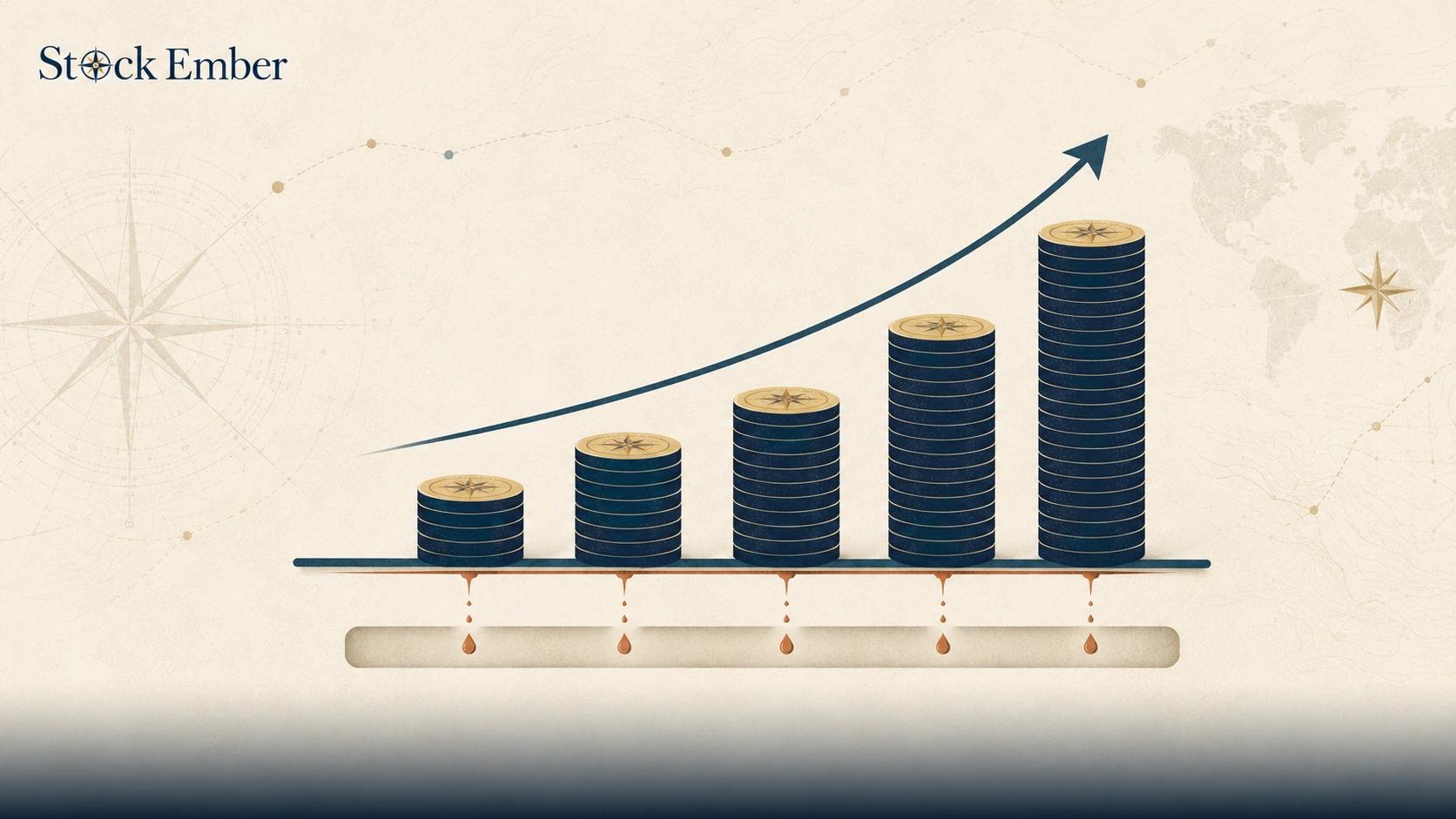
The real impact of an asset-based charge is not just the dollars withdrawn each quarter, but the lost future growth those dollars would have earned. Because fees reduce your principal, they reduce the engine that drives compound growth.
Consider a hypothetical $100,000 investment growing at a 7% annual return before fees over a 10-year holding period:
Without an Advisory Fee (0.00%): Grows to approximately $196,715.
With a 1.00% Annual Advisory Fee: Grows to approximately $179,085 (effective 6.00% net growth).
The 1.00% annual fee reduces your total portfolio by $17,630 after 10 years. Over $7,000 of that loss represents lost compound earnings on the money withdrawn to pay advisory fees. Fee-impact studies commonly cited in the financial advisory industry show that even minor percentage differences in annual advisory costs lead to large variations in final portfolio wealth over long periods.
Decoupling Advisory Fees from Product-Level Costs
Investors frequently confuse advisory management fees with the internal costs of the investments held inside their accounts. An advisory percentage fee covers professional management and advice, but it does not cover underlying investment vehicle charges.
If your advisor allocates your money into index funds or active funds, you pay internal mutual fund fees in addition to your advisory charge. Additionally, selling certain fund shares early might trigger exit penalties like a contingent deferred sales charge. To understand your true cost of investing, add your advisor's percentage fee to the weighted average expense ratio of the funds in your portfolio.
Common Fee Pitfalls to Watch
Fee Layering: Paying a 1.00% advisory management fee on top of expensive underlying funds carrying 0.75% expense ratios, creating a total drag of nearly 1.75% annually.
Paying for Inactive Accounts: Paying a percentage fee on uninvested cash reserves sitting idle inside your account.
Ignoring Alternative Fee Models: Comparing an AUM fee vs flat fee or hourly arrangement without evaluating your portfolio size. For very large account balances, paying a flat annual retainer or hourly fee often costs far less than a standard percentage fee.
Conclusion
A percentage-based charge links your advisor's revenue directly to the size of your portfolio, creating an incentive for them to grow your account value. However, percentage-based fees quietly erode wealth over decades if you do not monitor the combined impact of advisory charges and internal investment costs.
Evaluating what services you receive for that percentage ensures you are getting true value for your money. When testing how different fee rates alter your portfolio growth over time, interactive calculators can project your exact long-term costs. Investing always carries risk of capital loss, so treat fee analysis as a vital first step in managing your overall portfolio.
FAQ
5 questions
How is an AUM fee calculated on a quarterly basis?
Financial advisors calculate quarterly fees by dividing the annual percentage rate by four and applying it to your ending quarter-end balance or average daily balance. For example, a 1.00% annual advisory fee on a $200,000 portfolio results in an approximate $500 deduction directly from your cash reserves every three months.
What is the difference between an AUM fee and an expense ratio?
An AUM fee is paid directly to a financial advisor for ongoing portfolio management and financial planning. An expense ratio is an internal fee charged directly by mutual funds or exchange-traded funds (ETFs) to cover underlying operating and trading expenses.
Is a 1% AUM fee standard for individual investors?
A 1.00% annual advisory fee is widely considered the standard benchmark for accounts between $100,000 and $1,000,000. Larger balances often qualify for lower tiered rates, while smaller accounts may pay higher base percentages or flat fee retainers.
Do advisors charge AUM fees on uninvested cash?
Most investment advisory agreements calculate fees on total account value, which includes uninvested cash reserves sitting inside the portfolio. Investors holding substantial cash for extended periods should clarify cash treatment in their client agreement.
How do tiered AUM fee schedules lower costs as wealth increases?
Tiered fee schedules reduce the marginal fee percentage as portfolio balances cross specific threshold breakpoints. In a graduated tier structure, investors pay lower percentage fees on assets above each threshold rather than paying a flat percentage across their entire portfolio.
Disclaimer
This guide was written with AI assistance and reviewed by the StockEmber editorial team for accuracy. StockEmber provides independent education, not personal financial advice. Some links may support our work at no additional cost to you.
The StockEmber Team is our in-house desk of independent research writers. We test brokerage platforms, read the fine print on fees and custody, and cover ETFs and long-horizon investing for people who plan to hold for decades — not days.