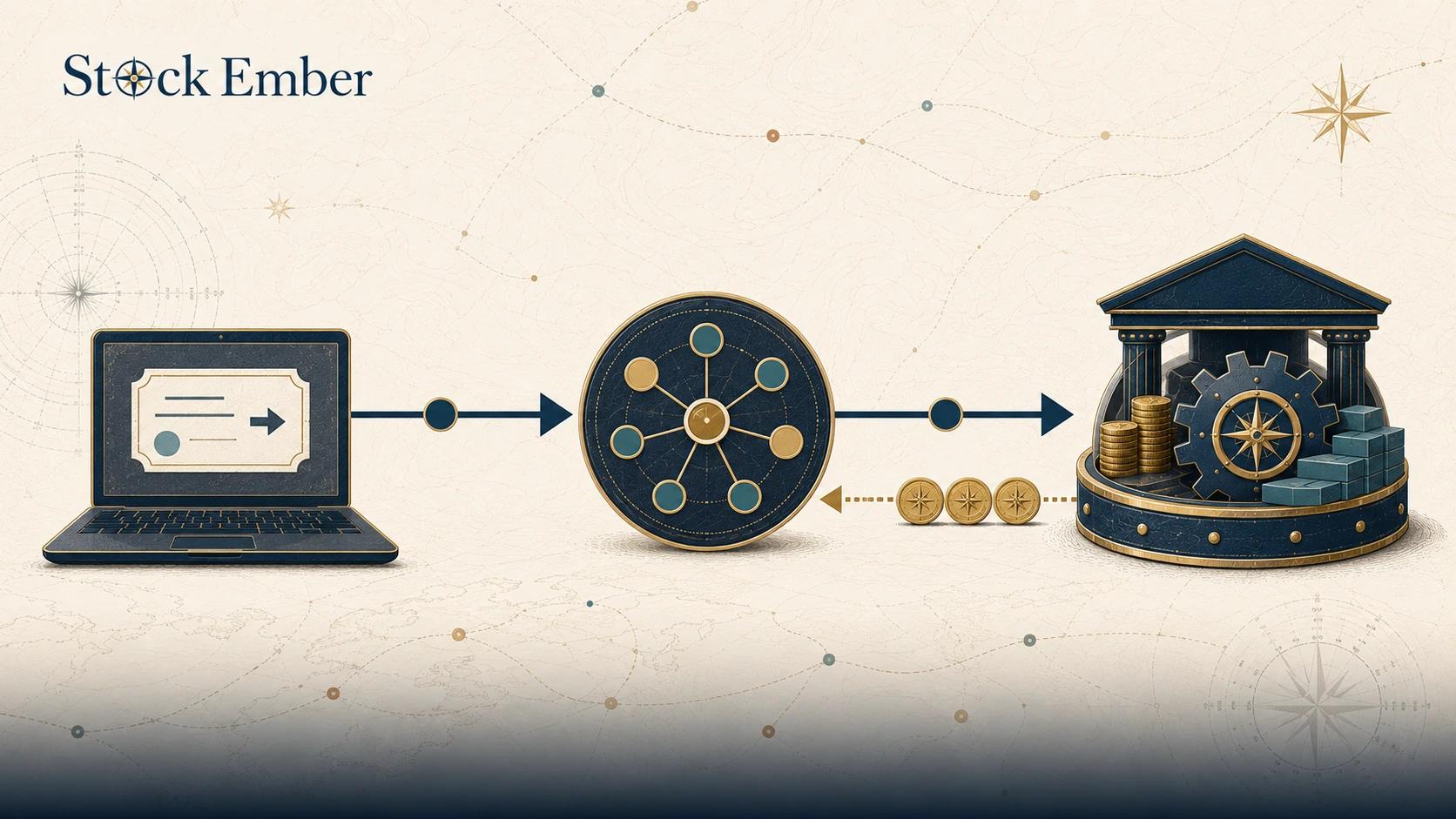
An exit fee is a financial charge incurred when selling fund shares or transferring an account out of a brokerage platform. It typically takes the form of a mutual fund short-term redemption fee (1–2%) or a fixed brokerage account transfer-out fee ($50–$100). These fees reduce net returns and capital available for long-term compound growth.
An exit fee is a charge collected by an investment platform or fund manager when you sell your holdings or transfer money out of an account.
When you build a portfolio for the long term, you focus on buying great assets. But what happens when you need to move your money or switch brokers? Unchecked exit friction can quietly eat into your realized returns. Understanding how these charges work helps you protect your net gains and avoid unnecessary costs when rebalancing or transferring assets.
Quick Takeaways
01Exit friction comes in two forms: fund-level redemption charges and platform-level account transfer costs.
02Mutual fund redemption charges or back-end sales loads discourage short-term trading to protect long-term investors.
03Brokerage transfer fees usually apply when moving an entire account to another provider using electronic transfer systems.
04Holding mutual fund shares past their minimum lock-in window and choosing fee-conscious share classes can eliminate fund-level exit charges.
What Is an Exit Fee?
An exit fee is any cost you pay when leaving an investment position or moving capital away from a financial institution. In the investing world, these charges generally split into two distinct categories: fund-level fees and platform-level fees.
Fund-level charges are assessed directly by asset managers when you redeem shares of a fund. These costs are closely tied to broader mutual fund fees that cover portfolio management and administrative overhead. Platform-level fees, on the other hand, are charged by brokerages when you close an account or transfer your portfolio to a competing provider.
How Exit Fees Work in Practice
These charges work by subtracting a fixed dollar amount or a percentage of your assets at the time of sale or transfer.
Fund managers use short-term redemption fees—typically ranging from 1% to 2%—to discourage rapid trading. When investors quickly buy and sell fund shares, the manager must buy and sell underlying securities, creating transaction costs for everyone in the fund. Charging a fee on early exits protects long-term investors by keeping those trading costs with the short-term trader.
Another type of fund charge is a contingent deferred sales charge (CDSC), often called a back-end load. Unlike a redemption fee, which goes back into the fund pool, a back-end load goes to the broker as a sales commission. These charges usually start high (such as 5% in year one) and gradually drop to zero over five to seven years.
At the platform level, brokers charge an account transfer-out fee when you move assets electronically. Regulatory disclosures from the U.S. Securities and Exchange Commission(SEC), detail how these administrative costs are assessed during account transfers.
The 10-Year Cost Impact: How Exit Fees Affect Total Return
Exit fees reduce your total investment return by taking money out of your portfolio that could otherwise keep growing.
While an ongoing expense like an assets-under-management (AUM) fee quietly deducts a percentage of your portfolio every year, a redemption charge strikes all at once. Paying a 2% redemption fee on a $10,000 investment instantly removes $200 from your capital.
Fee Type
Charged By
Typical Amount
Purpose
Redemption Fee
Fund Manager
1% – 2%
Discourages short-term trading
Back-End Load (CDSC)
Fund Distributor
1% – 5% (declining)
Recovers broker sales commissions
ACATS Transfer Fee
Brokerage Platform
$50 – $100
Covers administrative transfer costs
If that $200 had stayed invested in a fund earning a hypothetical average 7% annual return — which is not guaranteed and can vary significantly — it would have grown to roughly $393 over ten years. Paying avoidable exit charges early in your investing journey forfeits that future compound growth.
How to Avoid or Minimize Exit Fees
You can avoid or reduce these costs by planning your holding periods and reviewing account terms before investing.
Respect holding windows: Most mutual fund redemption fees only apply if you sell within 30, 60, or 90 days of buying. Holding your position past this holding period eliminates the fee completely.
Select no-load share classes: Choose no-load mutual funds or index ETFs, which do not carry back-end sales commissions.
Ask for transfer fee reimbursement: When switching brokerages, ask your new provider to cover the transfer-out fees charged by your old broker. Many platforms will reimburse these costs to win your business.
Common Mistakes Investors Make
Investors often lose money to unexpected redemption charges simply because they do not read the fund prospectus or platform terms in advance.
A common error is confusing short-term redemption fees with back-end loads. A redemption fee goes back to the fund to protect existing shareholders, whereas a back-end load is a sales charge paid to a broker. Selling a load fund a few months before the CDSC drops to zero means paying a sales charge that patience would have erased.
Another frequent mistake is ignoring platform closure fees when moving small balances. Paying a $75 transfer fee on a $1,000 account represents a 7.5% loss on your capital before your new investments even begin.
Managing Exit Fees for Better Long-Term Returns
Unplanned transfer costs introduce unnecessary friction into your investment plan, but they are easy to navigate once you know where they hide. By matching your holding strategy to mandatory lock-in periods and choosing no-load funds, you keep more of your capital working for you.
When you are ready to evaluate your portfolio costs and analyze fee structures, our Tools(calculators) can help you model your long-term compounding.
Investing always involves risk and past returns do not promise future results, so treat this guide as a starting point for your own research, not a recommendation.
FAQ
3 questions
What is the difference between a back-end load and a redemption fee?
A back-end load (CDSC) is a sales commission paid to the broker who sold you the fund, which gradually decreases over several years. A redemption fee is paid directly back into the mutual fund pool to offset trading costs caused by short-term redemptions.
How do brokerage account transfer-out fees work?
When you move securities to a new provider via automated transfer systems like the Automated Customer Account Transfer Service (ACATS), your current broker charges a flat transfer-out fee (usually $50 to $100) to cover administrative processing costs.
Will a new broker pay my exit fee when I transfer accounts?
Many competing brokerage platforms offer to reimburse your transfer-out fees if you move an account above a specified minimum balance. You usually need to request reimbursement within 30 to 60 days after completing the transfer.
Disclaimer
This guide was written with AI assistance and reviewed by the StockEmber editorial team for accuracy. StockEmber provides independent education, not personal financial advice. Some links may support our work at no additional cost to you.
The StockEmber Team is our in-house desk of independent research writers. We test brokerage platforms, read the fine print on fees and custody, and cover ETFs and long-horizon investing for people who plan to hold for decades — not days.